Improve Your Curb Appeal: How Professional Landscaping Services Can Transform Your Property
Curb appeal strongly affects property value. Skilled landscaping professionals can successfully elevate this appeal through deliberate design choices and thoughtful plant selection. By crafting appealing outdoor areas, these professionals add both visual appeal and functional purpose. Homeowners may wonder what essential features to include or how to identify the most suitable professional. Understanding these elements can lead to remarkable changes. The journey to a more appealing property begins with well-researched choices.
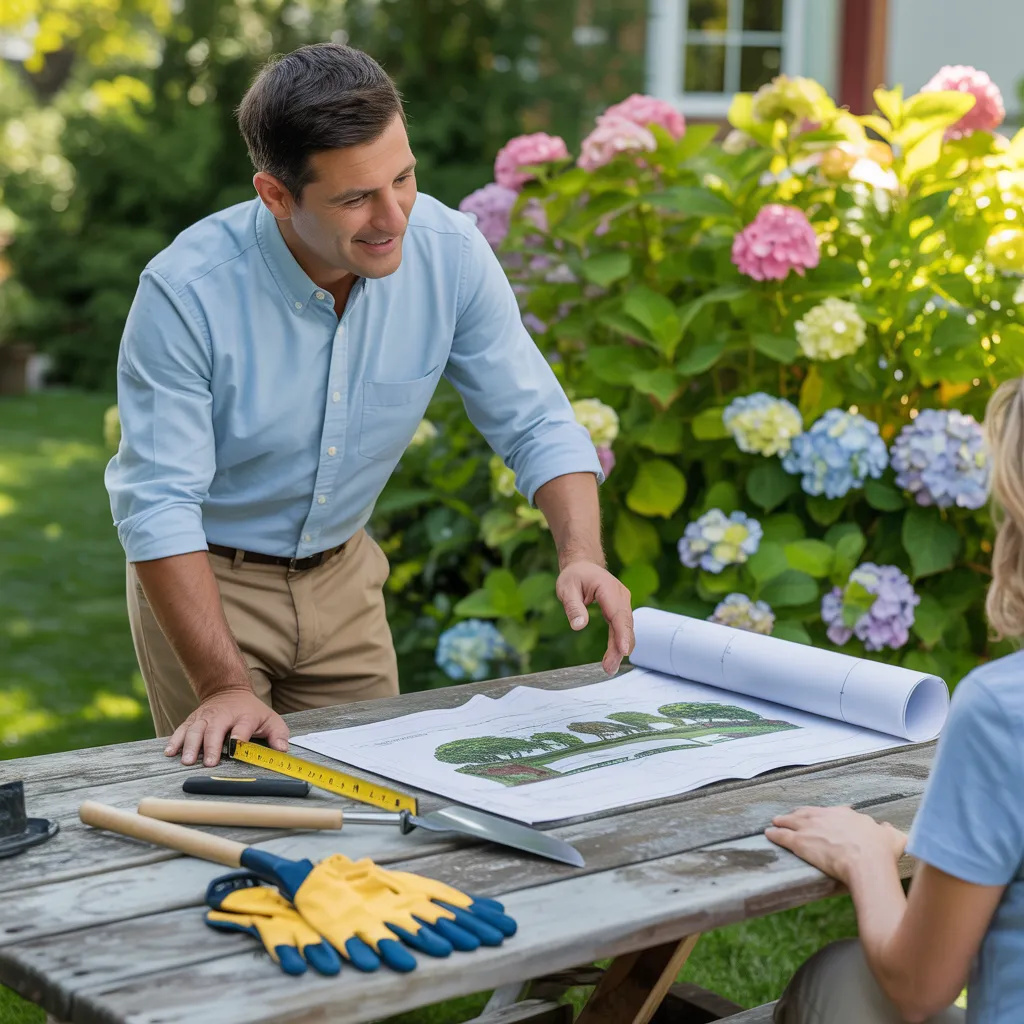
How Curb Appeal Influences Property Value
Curb appeal functions as the first impression of a property, greatly influencing its market value. A well-maintained exterior attracts potential buyers, frequently resulting in faster sales and better offers. Properties with welcoming landscaping, new paint, and neat walkways establish a feeling of hospitality and diligence, signaling that the interior may also be well-kept. In contrast, neglecting curb appeal can deter interest, prompting buyers to doubt the general upkeep of the property.
Research indicates that houses with notable curb appeal can achieve a premium of up to 10% over comparable homes with less visual appeal. Features including blooming garden displays, manicured lawns, and inviting doorways contribute significantly to this effect. In the end, dedicating resources to exterior aesthetics can deliver impressive monetary rewards, positioning it as an important aspect for both property owners and real estate professionals when evaluating property value.
Key Elements of Successful Landscaping Design
Successful landscaping design integrates various important elements that elevate both usability and visual attractiveness. A deliberate layout, purposeful plant selection, and responsible water management represent critical factors that promote a vibrant and productive outdoor area. These elements combine to form a harmonious environment that serves the interests of both property owners and the natural environment.
Practical Layout Design
A carefully considered layout is fundamental to creating a harmonious and functional landscape design. Quality landscaping includes pathways, seating areas, and focal points that channel movement and boost usability. The design should equilibrate open spaces with purposeful zones, enabling both relaxation and social interaction. Integrating features such as gardens, water elements, and lighting can create visual interest while serving practical purposes. Furthermore, considering the scale and proportions of elements guarantees that they complement the architecture of the property. A functional layout also accommodates maintenance needs, making it easier to care for the landscape over time. Ultimately, a thoughtfully designed layout enhances the property's aesthetic appeal while maximizing its functionality for everyday use.
Plant Picking Strategy
Selecting the right plants is essential for establishing a landscape that is visually appealing and long-lasting. A thoughtful plant selection process considers environmental factors, soil quality, and the particular attributes of the location. Native plants are often preferred due to their adaptability and low maintenance requirements. Furthermore, including multiple types of plants ensures year-round visual appeal and resistance to pests and illness. Experts suggest organizing plants according to their hydration and light requirements, establishing a balanced and productive growing environment. Beyond that, considering the scale and growth habits of plants helps avoid overcrowding, enabling every plant to flourish. Ultimately, thoughtful plant selection improves visual beauty while benefiting local ecosystems and environmental wellbeing.
Green Water Management
Establishing a landscape that excels while managing resources calls for a dedication to sustainable water management. This approach emphasizes the use of drought-resistant plants, which reduce water usage while maintaining curb appeal. Successful landscaping design integrates advanced irrigation systems, such as drip irrigation or rainwater harvesting, to confirm that water is directed directly to plant roots, minimizing waste. In addition, the integration of permeable surfaces permits rainwater to infiltrate the ground, restoring local aquifers. Garden professionals can also incorporate mulch and soil amendments that increase moisture retention, additionally enhancing sustainability. By prioritizing these strategies, property owners not only elevate their curb appeal but also support environmental conservation, making sustainable water management an critical feature of modern landscaping.
Affordable Landscaping Ideas
While maintaining a budget can be challenging, creative landscaping solutions can dramatically improve any exterior space without exceeding your budget. Basic methods such as planting native flowers and shrubs can improve aesthetic appeal while demanding minimal upkeep. Incorporating mulch not only retains soil moisture but also provides flower beds with a refined appearance. Hands-on projects, like constructing elevated garden beds or designing a stone walkway, can contribute original appeal at a fraction of the cost than professional landscaping services.
Employing upcycled resources, such as aged wooden pallets or stone bricks, can further elevate the garden area without major costs. Additionally, installing solar garden lighting provides both functionality and charm, generating an inviting environment during after-dark events. Lastly, routine lawn maintenance, including clipping and defining borders, can greatly improve curb appeal, making every home more appealing. By implementing these cost-effective solutions, home enthusiasts can develop a remarkable outdoor environment that reflects their personal style and enhances their property's value.
Choosing the Right Landscaping Service for You
Identifying the right landscaping service begins with a clear assessment of personal landscaping needs. By understanding particular requirements, clients can effectively compare the service offerings of multiple companies. This thorough evaluation confirms that the selected service matches with both priorities and budget.
Assess Your Landscaping Needs
How can homeowners effectively assess their landscaping needs to find the right service? To begin, homeowners should take into account their property's distinctive characteristics, including size, terrain, and existing vegetation. Clarifying individual tastes and intended results—be it designing a tranquil garden retreat, upgrading outdoor entertainment zones, or elevating the home's exterior appearance—is of utmost importance. It is equally important for homeowners to assess their financial resources and the degree of upkeep they are prepared to undertake. Seeking inspiration through neighborhood landscapes, trade magazines, or internet resources can go a long way in helping homeowners refine their landscaping goals. Moreover, reaching out to friends or community members with prior experience using landscaping services can yield meaningful and practical perspectives. By understanding these factors, homeowners can better articulate their needs, ensuring they choose a landscaping service that aligns with their expectations and lifestyle.
Compare Service Offerings
What factors should homeowners consider when comparing landscaping service offerings? First, they should evaluate the range of services provided, such as design, installation, and maintenance. Determining whether a company focuses on residential or commercial work can further inform their choices. Homeowners ought to review pricing models, confirming clarity in estimates and any possible extra charges. Moreover, exploring customer feedback and project galleries can shed light on the caliber of work and discover the information client contentment. It is advisable to question the background and certifications of the workforce, as well as their commitment to environmentally responsible approaches. In closing, reviewing the company's ability to communicate and respond in a timely manner can signal how attentively they will handle homeowner concerns across the project.
Maintain Your Landscape Like a Pro
Managing a landscape like a professional demands a strategic approach that harmonizes aesthetics and functionality. Consistent care schedules, such as mowing, pruning, and mulching, are essential for enhancing the curb appeal of the property. Specialists advise creating a seasonal maintenance plan to accommodate the individual needs of each plant and area within the landscape.
Watering routines need to be adjusted depending on the climate and type of plants, guaranteeing that the garden receives proper hydration while avoiding overwatering. Furthermore, pest and weed management is vital; choosing organic methods can safeguard the environment while sustaining plant vitality.
The health of soil is a critical factor in sustaining a vibrant landscape, making routine assessments and adjustments essential. Incorporating sustainable techniques, like composting and planting native vegetation, promotes enduring ecological balance. By applying these practices, homeowners can achieve a professionally maintained landscape that enhances the overall curb appeal of their property.
How Improvements Enhance Property Value
Improving a landscape not only elevates its visual appeal but also plays a crucial role in maximizing the value of a property. Professionally crafted outdoor spaces draw in prospective purchasers, increasing a property's marketability. Research consistently indicates that properties featuring expert landscape design can see an increase in value ranging from 5% to 15%. This enhancement often results from improved aesthetics, functionality, and overall curb appeal.
Landscape improvements, like the addition of native plants, structural landscaping features, or outdoor living spaces, develop appealing surroundings that resonate with buyers. Furthermore, a properly maintained yard reduces maintenance costs and boosts energy conservation, attracting sustainability-minded homeowners.
Opting for expert landscaping solutions not only provides immediate visual benefits but also functions as a smart strategy for long-term property investment. At the core, the ideal landscaping decisions can greatly affect a real estate asset's market appeal and attractiveness in a demanding market.
Questions We Often Receive
How Much Time Does a Standard Landscaping Project Usually Take?
A standard landscaping project usually requires between one to four weeks to complete, subject to the scale and complexity of the work. Elements such as weather conditions, the size of the project, and available resources may significantly impact the total timeline.
What Types of Plants Are Best for My Climate?
The best plant varieties for a climate are determined by local climate conditions, humidity, and soil quality. Locally adapted species tend to flourish, while water-efficient plants are well-suited for water-scarce areas, promoting long-term sustainability and low upkeep.
Can Strategic Landscaping Help Cut Energy Costs for My Home?
Strategic landscaping can significantly lower energy costs by thoughtfully arranging trees and shrubs to create shade, reducing wind exposure and regulating temperature. This nature-based insulation minimizes the need for heating and cooling systems, resulting in lower utility bills.
What Upkeep Is Needed After Landscaping Installation?
After landscaping installation, regular maintenance includes watering, mulching, weeding, pruning, and fertilizing. Seasonal tasks, such as winter preparation and pest control, are also essential to guarantee the landscape continues to thrive and look its best.
Is Eco-Friendly Landscaping Available?
Eco-friendly landscaping options are indeed available. These options include native plants, drought-resistant gardens, rain gardens, and organic mulch. These selections encourage biodiversity, preserve water, and minimize chemical use, benefiting both the environment and the property's aesthetics.